Custom Software
One system that matches your real process, instead of four tools and a spreadsheet holding the gaps together.
Full-stack civic mobile app
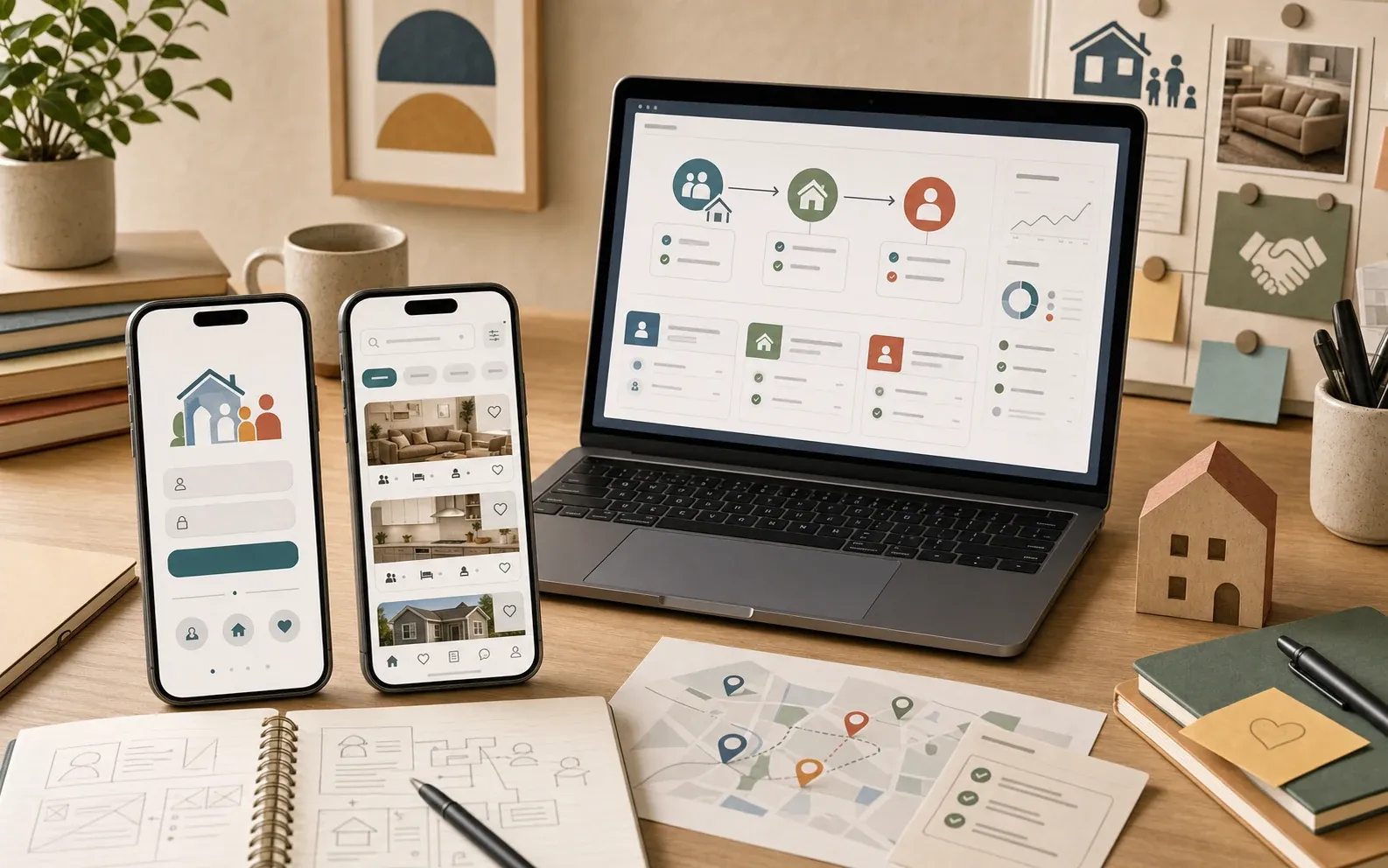
A role-based mobile app helping tenants, property owners, and case handlers coordinate Section 8 housing voucher matches in one workflow.
Housing-match coordination involves different users with different responsibilities. The app needed to make tenant needs, property-owner listings, and case-handler review feel like one coherent workflow instead of separate spreadsheets, calls, and manual follow-up.
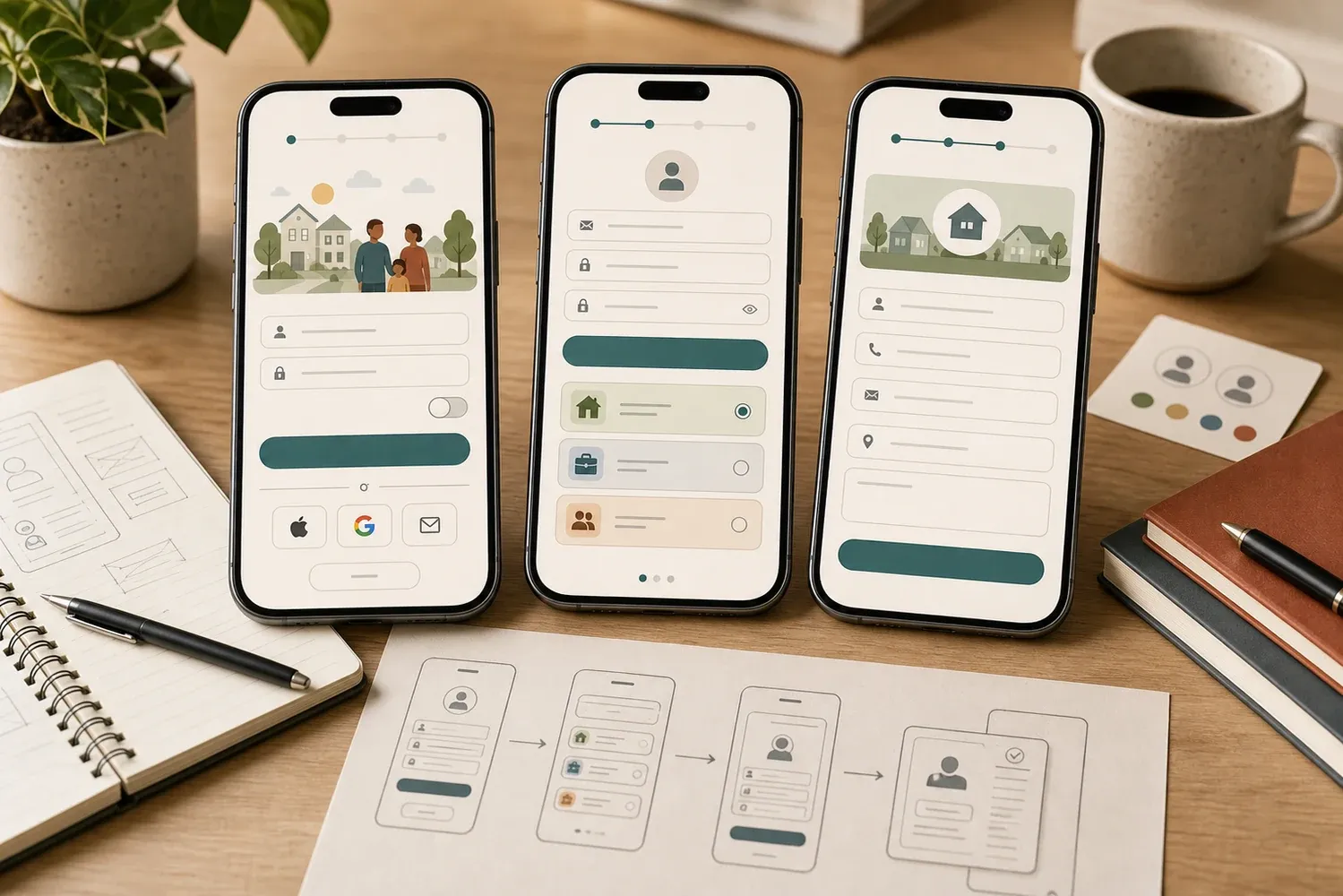
The system centres on account roles, session-cookie authentication, profile management, property creation, available listings, and a match endpoint designed to grow into a fuller eligibility and case-review workflow.
This was university coursework, built by a team. It is included as evidence of role-based access design and mobile-plus-API integration, which transfer directly to customer portal work. It was not a commercial engagement, and Family Promise is not a client. The repository belongs to a teammate and is linked above.
The transferable lesson is about sequencing: role design has to be settled early, because it determines navigation, profile data, protected endpoints, and testing paths all at once.
What was built
Engineering
The specifics matter more than the feature list. This is what the work actually consisted of.
Three roles with genuinely different responsibilities shape navigation, profile data, protected endpoints, and every testing path. Deciding the role model early was what allowed the rest of the app to be built without repeated rework.
Mobile forms become far easier to build when payloads and response shapes are documented with real examples. Postman collections documented the JSON contracts and authenticated flows, which mattered because frontend and backend were being written in parallel by different people.
Related services
One system that matches your real process, instead of four tools and a spreadsheet holding the gaps together.
A portal takes the ten repeated questions off your phone and puts them behind a login, answered accurately, at two in the morning.
Cross-platform apps in React Native and Expo — including the background, permission, and store-review work that decides whether an app actually ships.
Keep reading
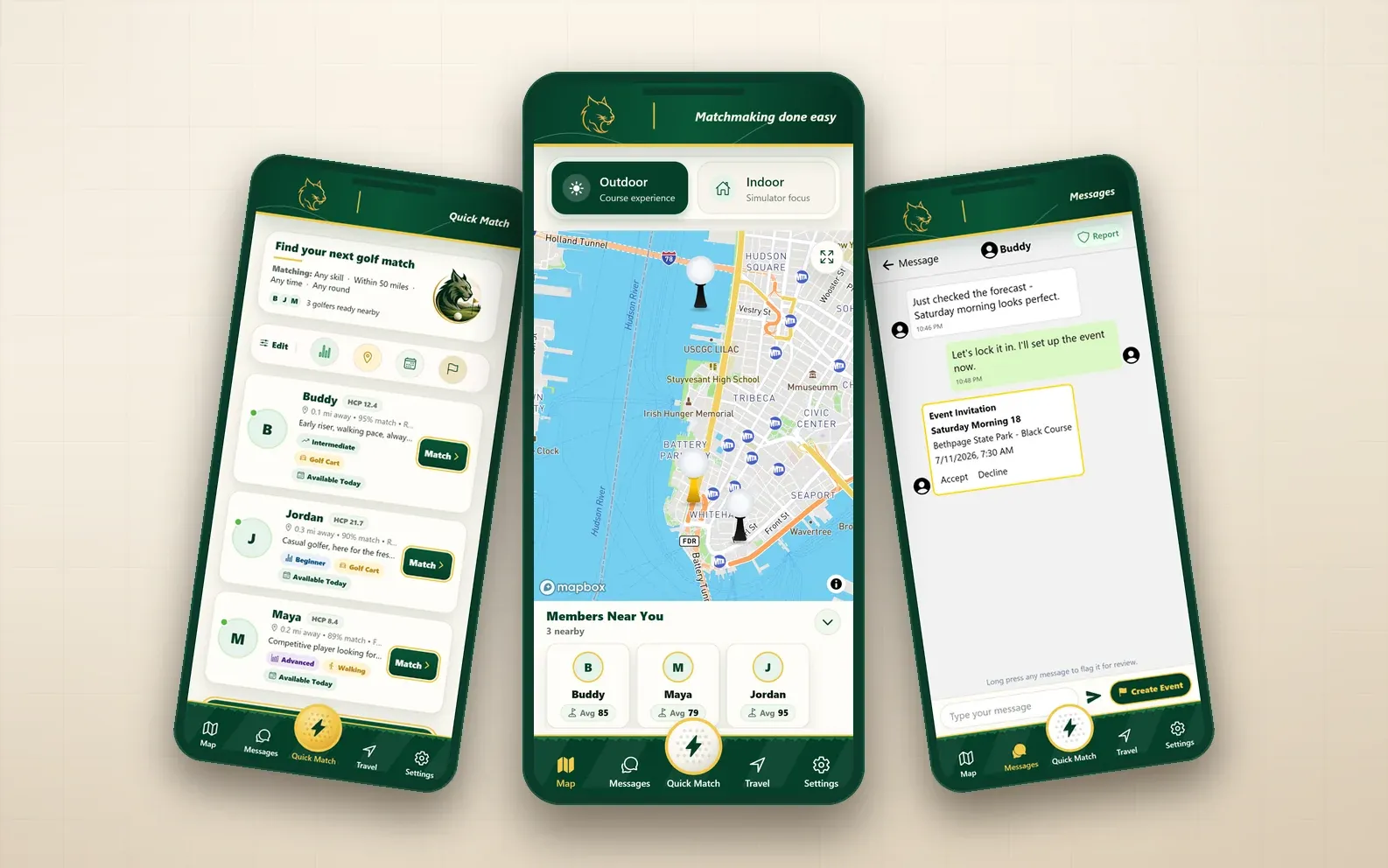
A skill-based matchmaking app that pairs golfers with compatible playing partners nearby, then gets the round on the calendar.
In development — store listings in progress
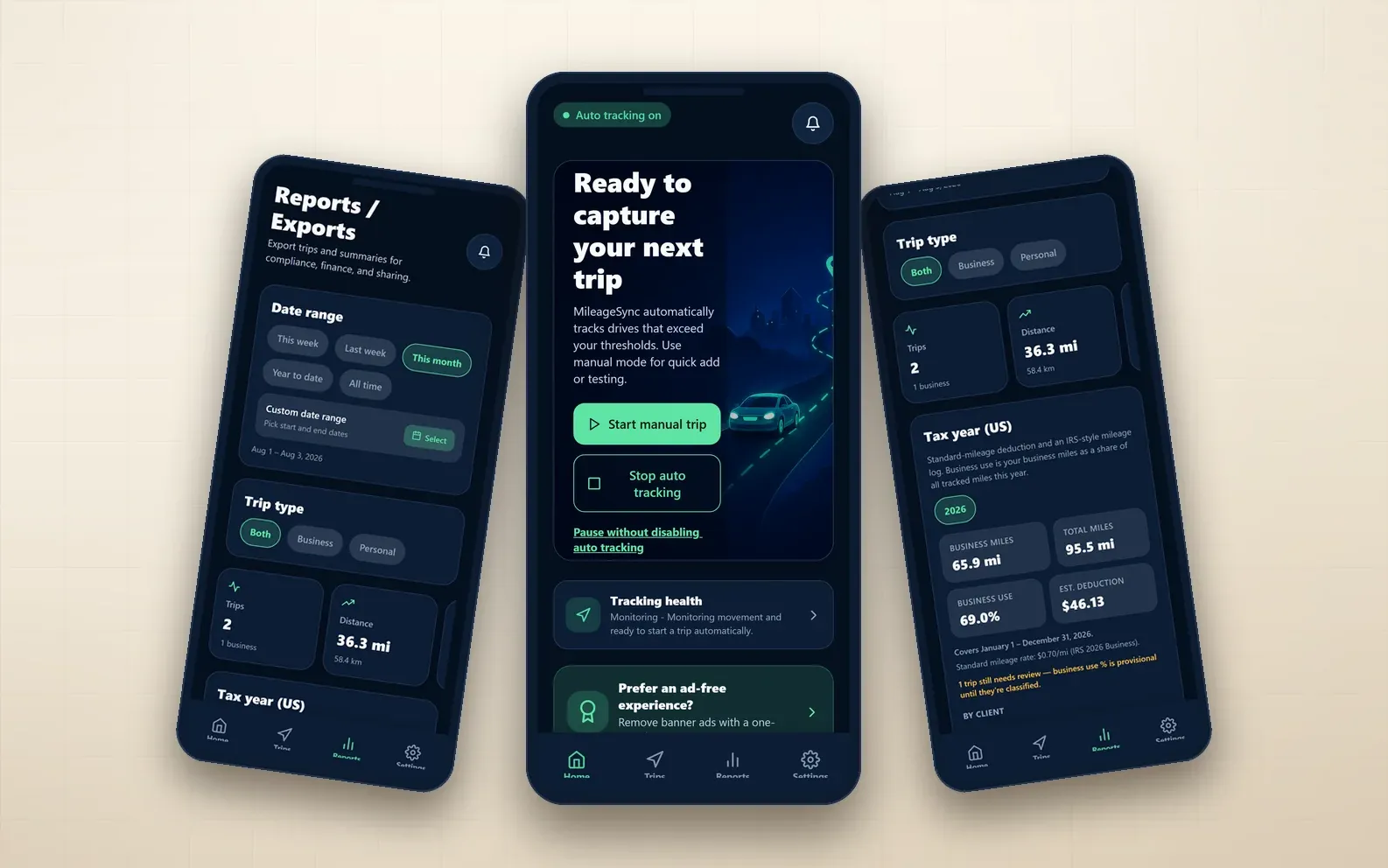
A hands-free mileage logger that detects drives in the background and turns them into IRS-ready deductions, with every GPS point kept on the device.
In development — store listings in progress
If any of this resembles the problem you are trying to solve, a discovery call is the fastest way to find out whether we can help.
Prefer email? Contact@DeviceBytes.com