Customer portal development

Give customers a secure place to check things themselves

A portal takes the ten repeated questions off your phone and puts them behind a login, answered accurately, at two in the morning.

The problem

Every service business has the same ten questions arriving by phone and text all day. Where is my order. What did I agree to. Can I get that invoice again. Each one is a two-minute interruption for someone whose time is worth more than that, and the customer still has to wait until you are open to get an answer they could have read themselves.

How we approach it

We work out which questions actually get asked, then build the smallest portal that answers them with live data rather than a status someone has to remember to update. Access control gets designed first, not retrofitted — who can see which record is the decision everything else depends on, and it is much cheaper to get right at the start.

A portal earns its cost in support time, so the useful first question is not what it should contain but which calls it should stop.

Start by counting. If your team fields the same status question thirty times a week, that is where the portal begins — not with a feature list.

What you get

  • Authenticated customer accounts with password reset and session handling
  • Role-based permissions covering customers, staff, and administrators
  • Live status views driven by your real records
  • Document access — invoices, estimates, receipts — downloadable as PDF
  • A staff-side view of the same data, so support can see what the customer sees
  • Email notifications on the state changes customers care about

Typical features

  • Self-service status and history
  • Secure document delivery
  • Saved details and preferences
  • Messaging or request submission
  • Magic-link or passwordless sign-in where passwords add friction
  • Staff impersonation for support, with an audit record

A good fit for

  • Repair, field-service, and logistics businesses fielding status calls
  • Professional services sending documents by email attachment
  • Any business where the same question arrives more than ten times a week

From real projects

What this has looked like in practice

Each of these is drawn from a case study on this site, not from a hypothetical.

  • GameLynx derives the acting user exclusively from the signed token rather than from any identifier in the URL or request body — the single decision that stops one account reading another's data.
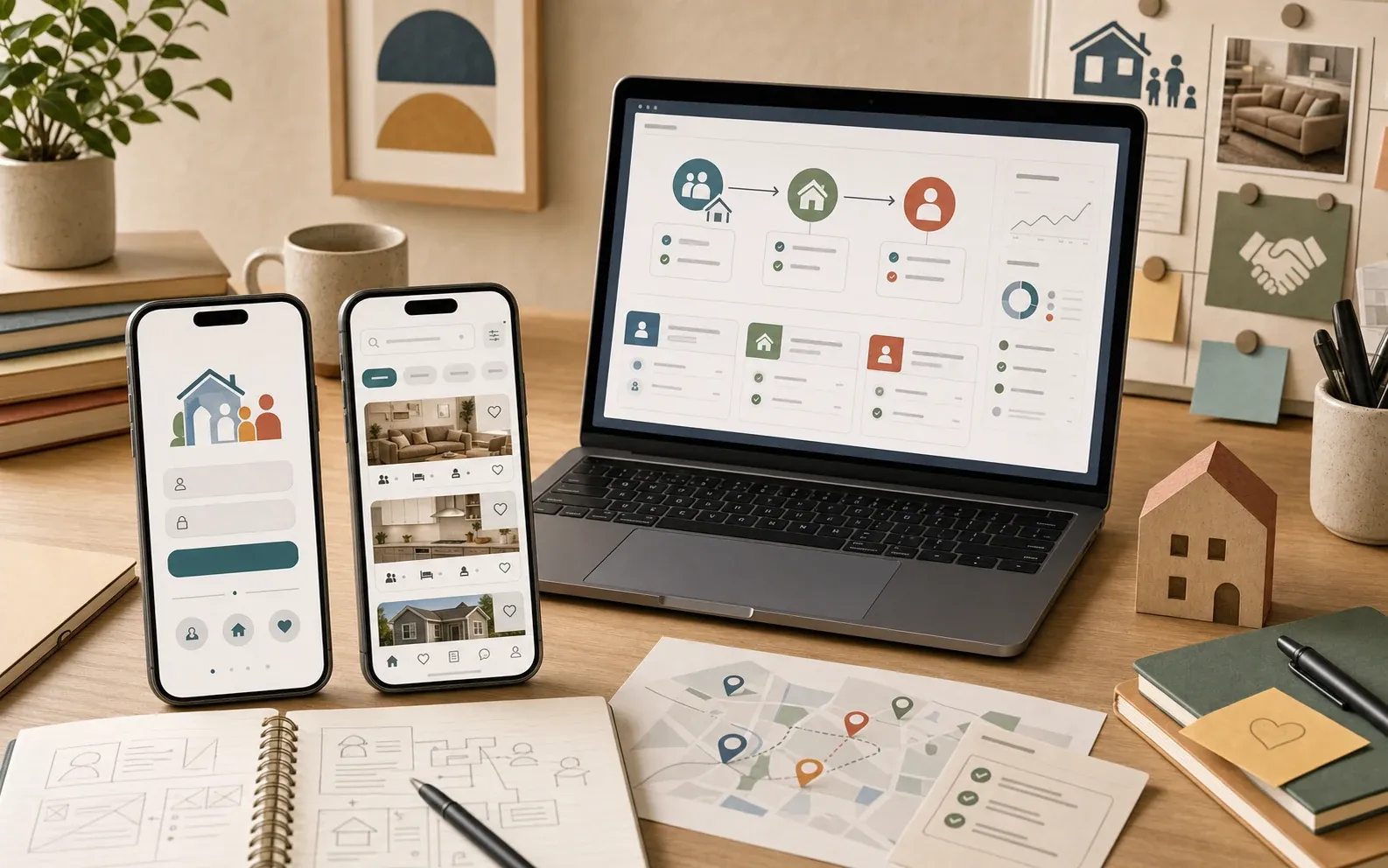
  • FamilyPromise separates tenants, property owners, and case handlers into three roles with different navigation and different protected endpoints, because role design shapes everything downstream.

Case studies

Projects demonstrating this work

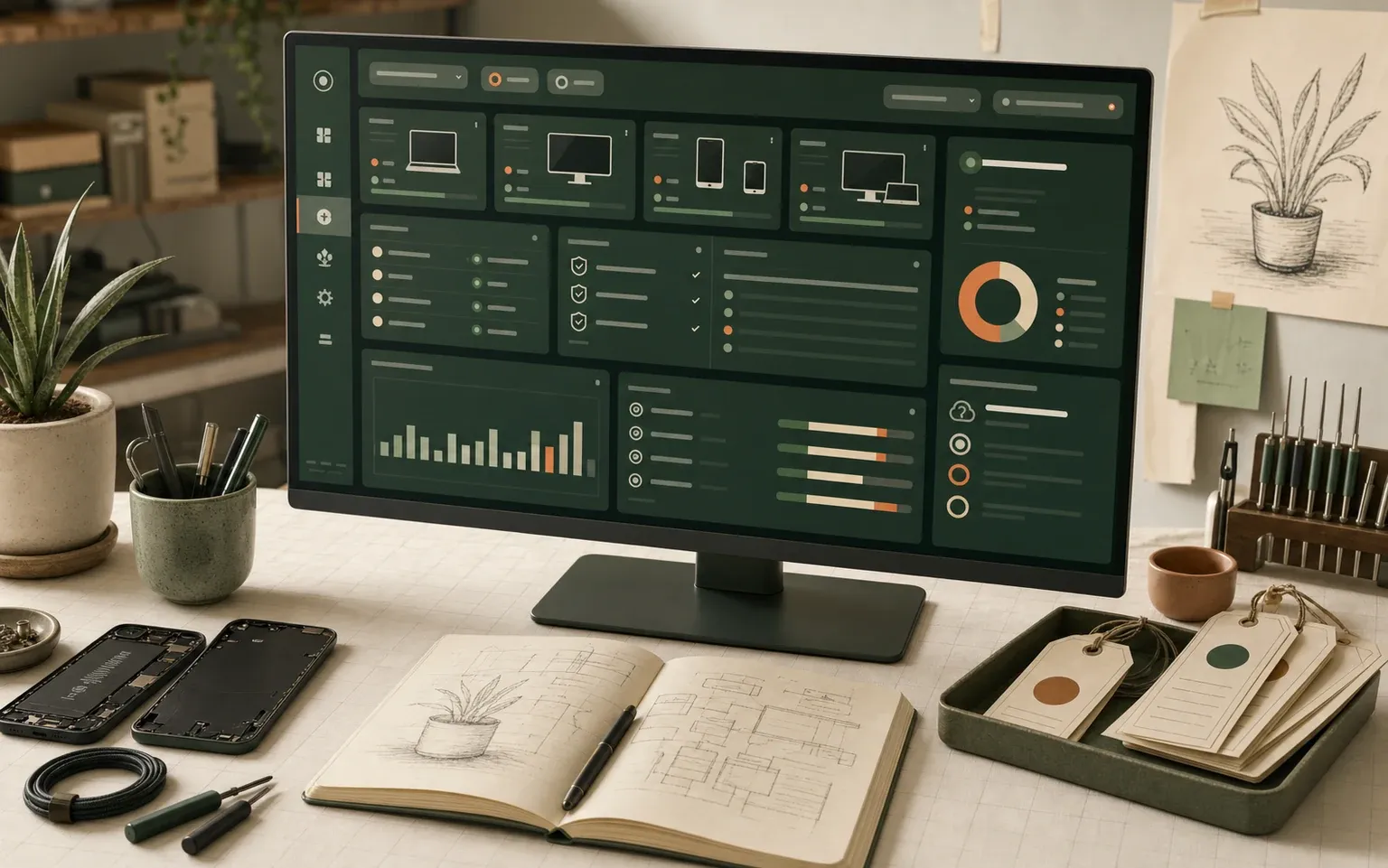
The DeviceOps Command Center operations overview dashboard

Operations dashboardOperations Platforms

DeviceOps Command Center

A service-operations dashboard bringing IT assets, vendor contracts, backup checks, and service performance into one view instead of six spreadsheets.

Self-directed concept build — modelled data, not a live client system

  • React
  • Node.js
  • PostgreSQL
  • Docker
  • +1 more
The FamilyPromise matching app shown across mobile screens

Full-stack civic mobile appMobile Apps

FamilyPromise Mobile Matching App

A role-based mobile app helping tenants, property owners, and case handlers coordinate Section 8 housing voucher matches in one workflow.

University team project, Fall 2024 — built with multiple contributors

  • React Native
  • Expo
  • TypeScript
  • Flask
  • +3 more

Questions about customer portals

How do customers sign in?

Whatever suits your customers. Passwords with reset flows, magic links by email, or one-time codes by SMS. For customers who log in twice a year, a password is usually the wrong choice — they will have forgotten it, and the reset flow becomes the real login flow.

Is customer data safe?

Access rules are enforced on the server for every request, not hidden in the interface. A portal that only hides a button still returns the data to anyone who asks for it directly, which is the most common way these systems leak.

Can it use our existing customer records?

Yes, if the system holding them can be read via an API or a scheduled export. Keeping one source of truth is much better than syncing two.

Do we need a mobile app as well?

Usually not. A portal built responsively works on a phone browser with nothing to install, which matters when customers use it a handful of times a year.

Related

All services

Thinking about customer portals?

Start with a discovery call. It costs nothing to find out whether this is the right shape of work for your situation.

Prefer email? Contact@DeviceBytes.com