Custom Software
One system that matches your real process, instead of four tools and a spreadsheet holding the gaps together.
Operations dashboard
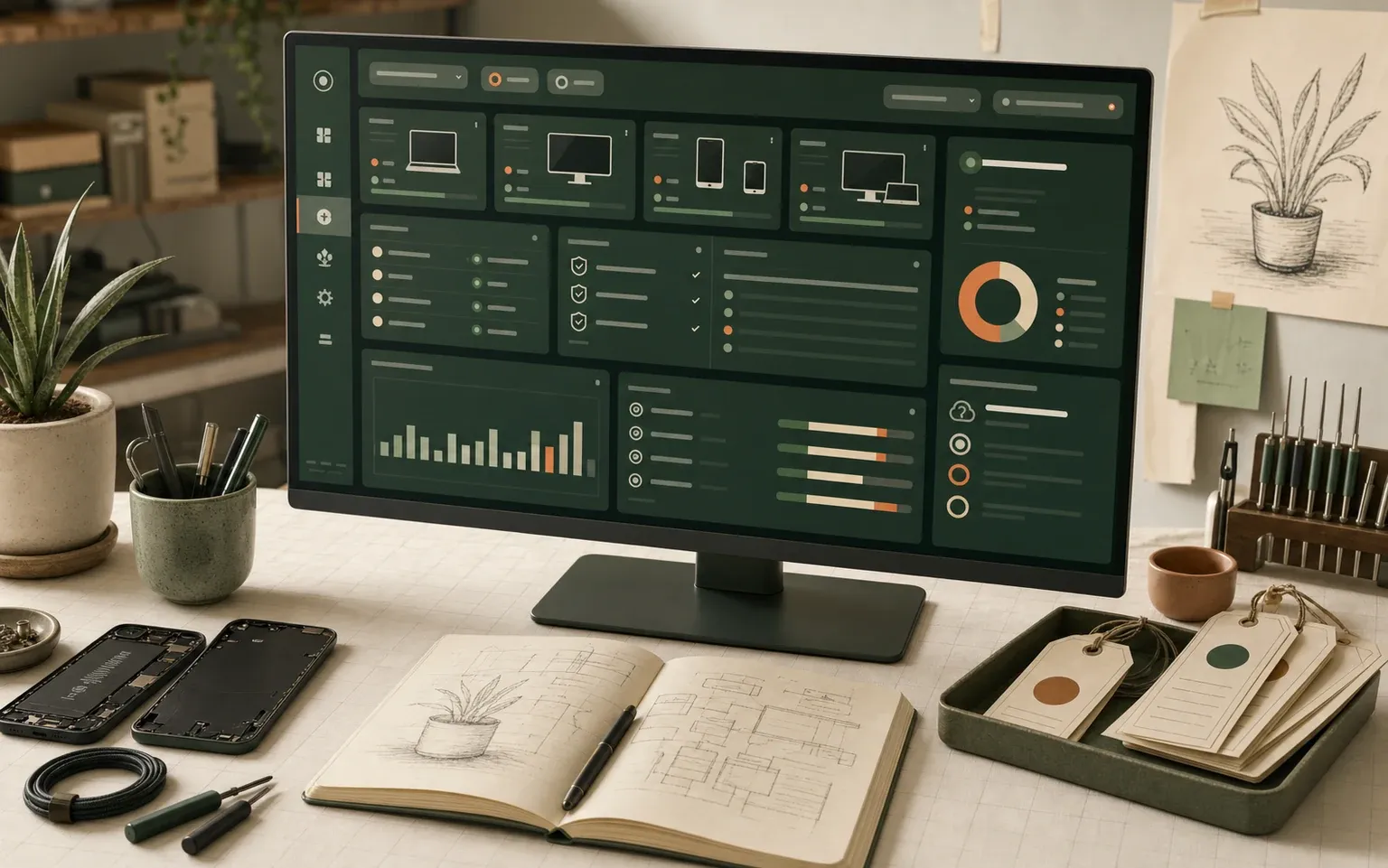
A service-operations dashboard bringing IT assets, vendor contracts, backup checks, and service performance into one view instead of six spreadsheets.
Operational work often lives across spreadsheets, tickets, emails, vendor portals, and manager memory. The problem this set out to solve was making that work visible without becoming another noisy admin tool.
The dashboard centres on operational state: assets, vendors, audits, backups, service performance, and review-ready notes.
This is a concept build, and its data is modelled rather than real. It grew out of Philip’s day-to-day IT management work at DeviceBytes and earlier at uBreakiFix, but it is not a deployed system running a business, and none of the figures in it describe actual operations. It is included here because the domain modelling and the dashboard structure are the transferable part — not because it has production users.
Source code and a live demo are both public, linked above.
What was built
Engineering
The specifics matter more than the feature list. This is what the work actually consisted of.
An operations dashboard that leads with totals tells a manager nothing actionable. The overview is built around exception states and next actions — what is overdue, what failed a check, what is queued — with aggregate figures kept secondary.
Vendor records and audit checks were modelled as one connected domain rather than as separate modules, because the real decisions combine them: whether a contract is worth renewing depends on the audit and service history attached to it.
Related services
One system that matches your real process, instead of four tools and a spreadsheet holding the gaps together.
A portal takes the ten repeated questions off your phone and puts them behind a login, answered accurately, at two in the morning.
Connect the tools you already pay for, and let the handoffs happen without someone remembering to do them.
Keep reading
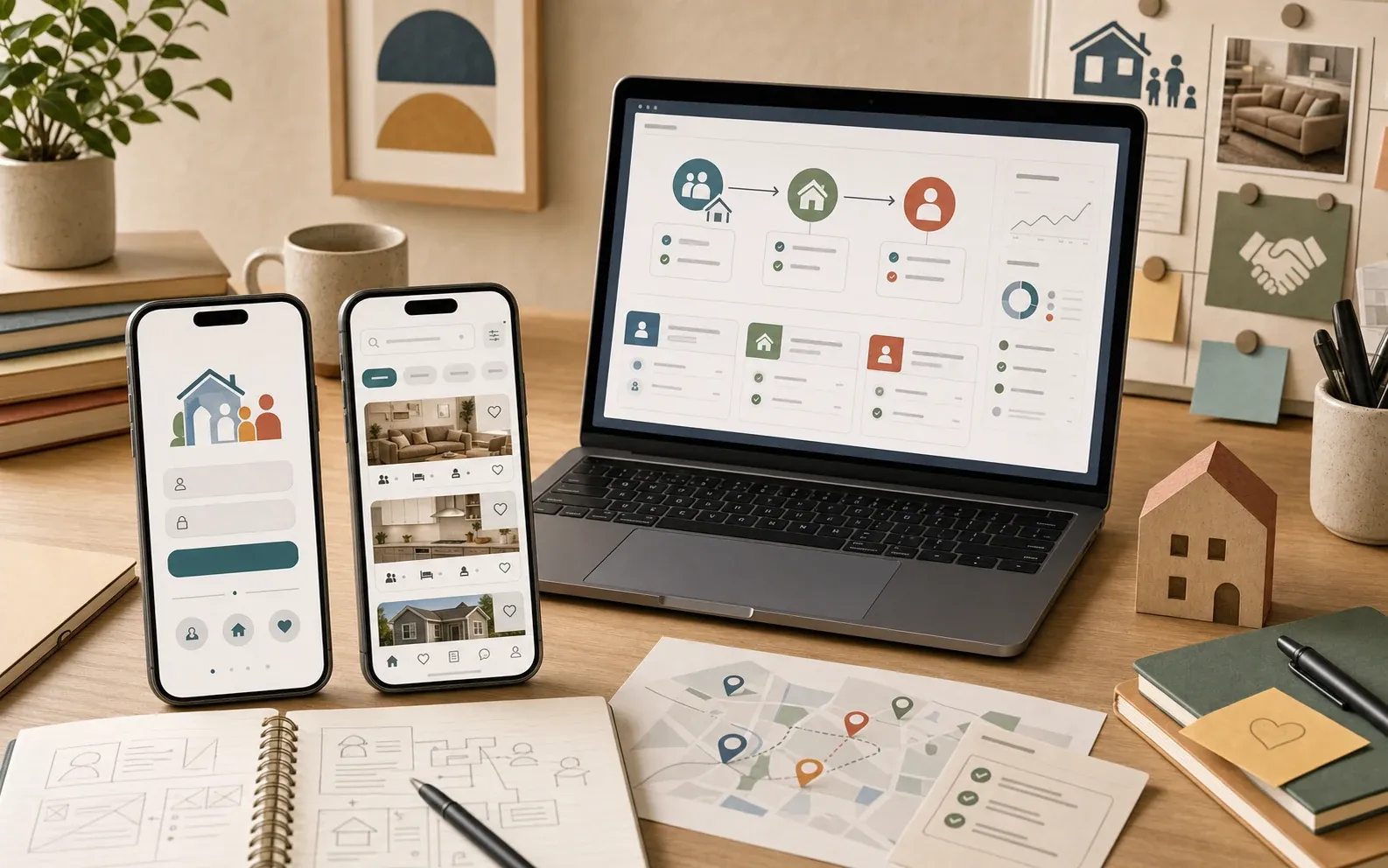
A role-based mobile app helping tenants, property owners, and case handlers coordinate Section 8 housing voucher matches in one workflow.
University team project, Fall 2024 — built with multiple contributors
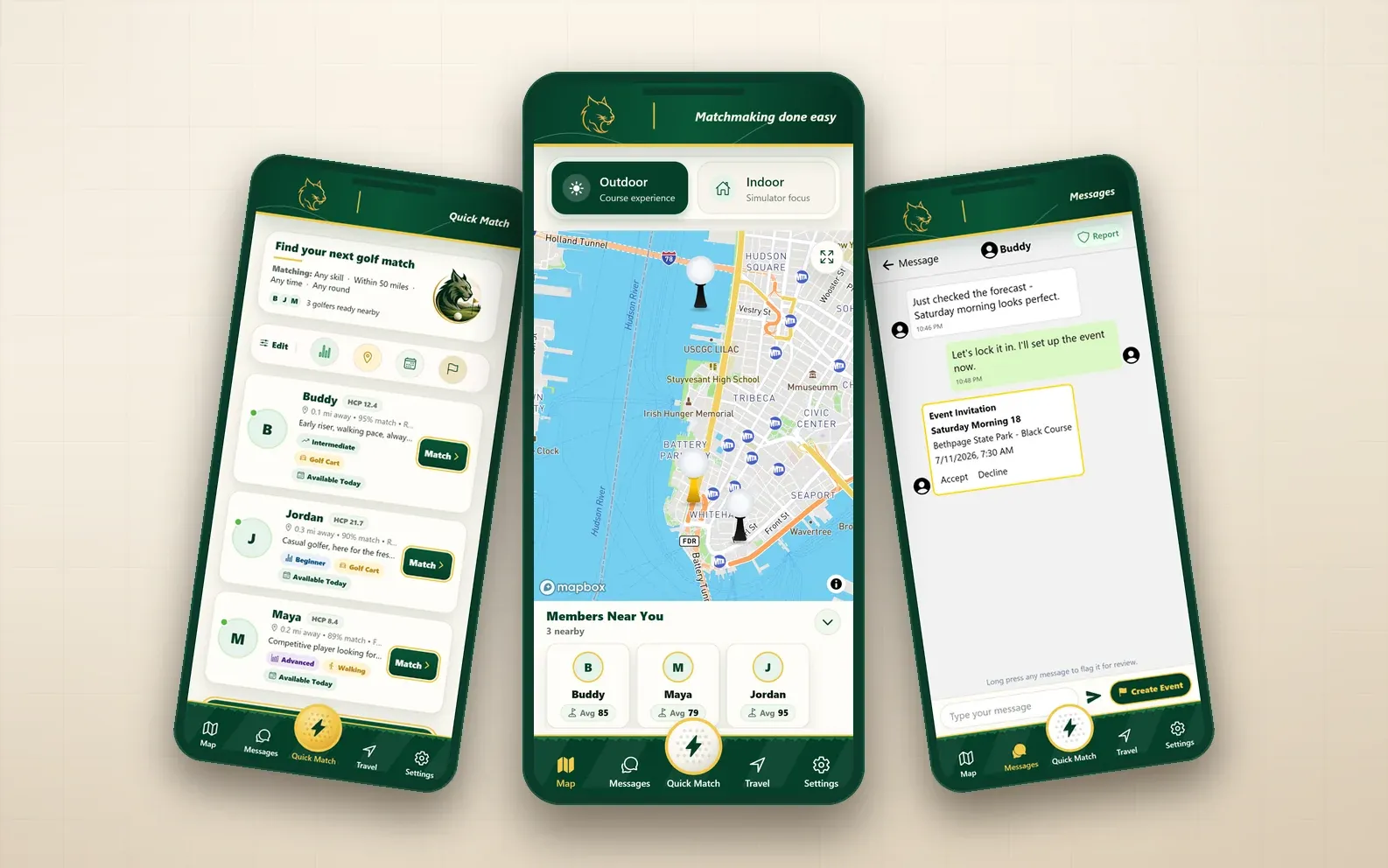
A skill-based matchmaking app that pairs golfers with compatible playing partners nearby, then gets the round on the calendar.
In development — store listings in progress
If any of this resembles the problem you are trying to solve, a discovery call is the fastest way to find out whether we can help.
Prefer email? Contact@DeviceBytes.com